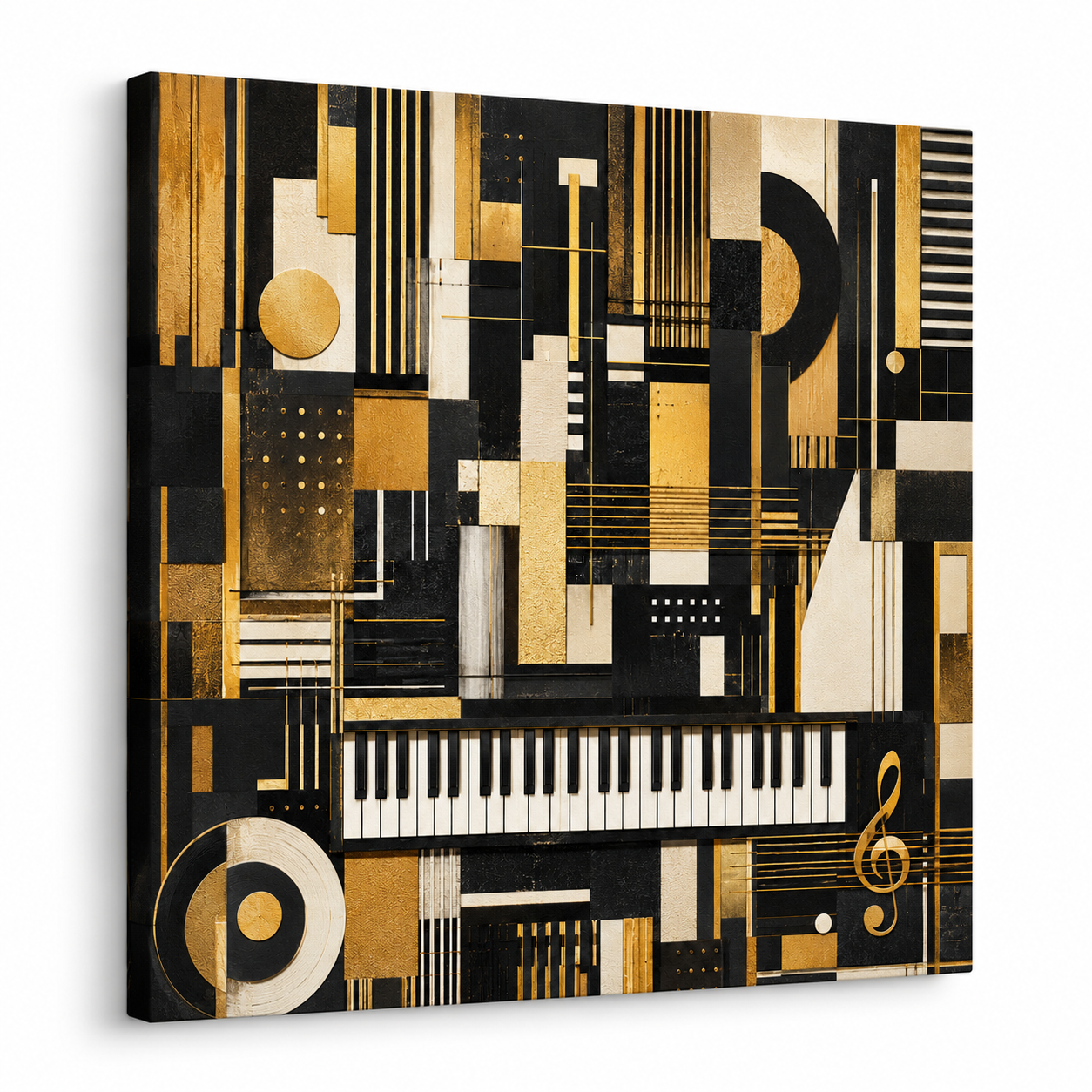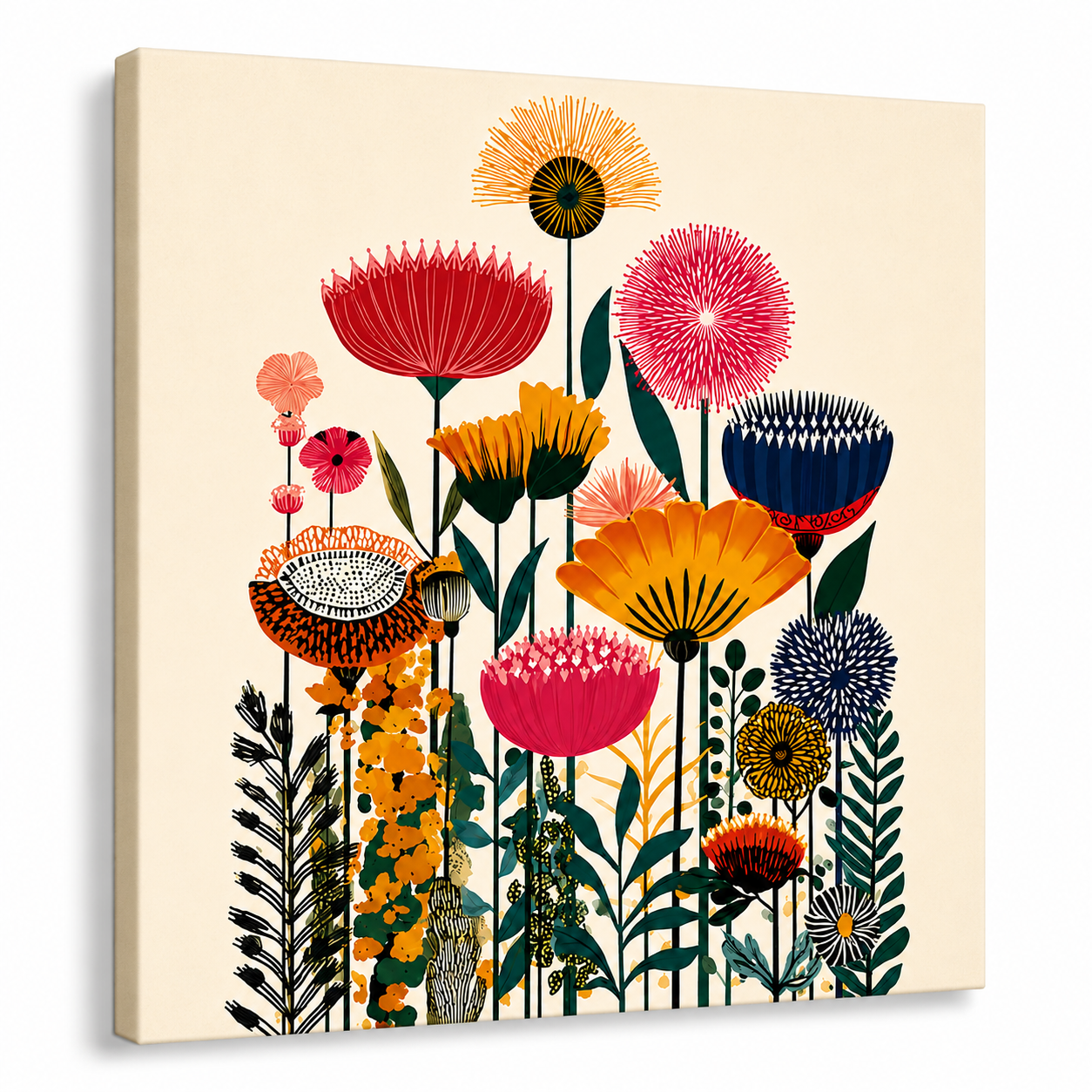
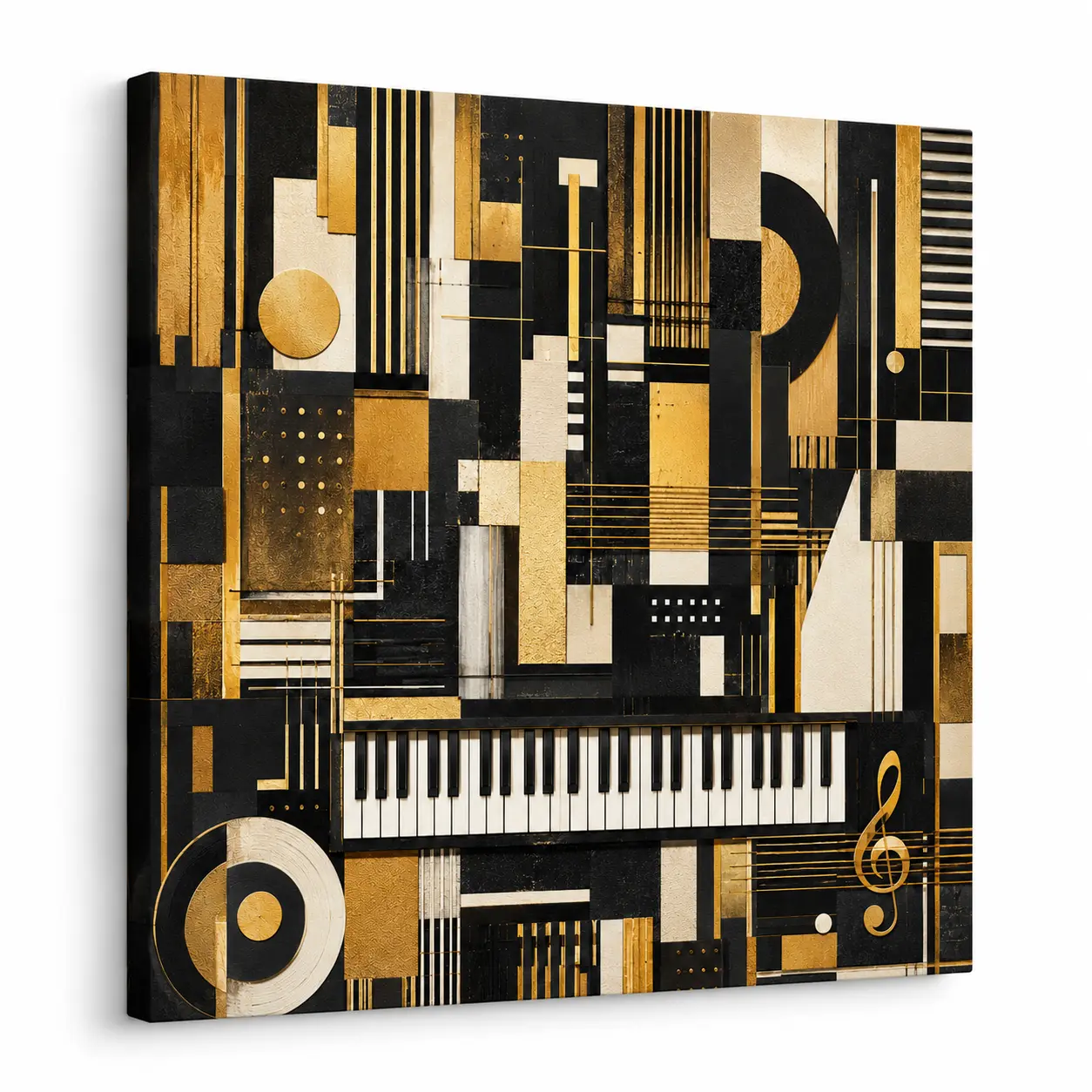
The best music room decorating ideas combine personality, creativity and practical design. Whether you are styling a piano room, guitar practice space, vinyl listening room or home recording studio, the right wall art can transform an ordinary room into a place that feels inspiring.
Wall art gives your music space a clear identity without taking up valuable floor space. It can celebrate a favourite instrument, musical era, artist or genre while bringing colour and character to the room.
For artwork designed specifically for creative music spaces, explore our Music Room Wall Art collection and discover canvas designs suitable for home studios, practice rooms, bedrooms and dedicated listening areas.
1. Decide How Your Music Room Will Be Used
Before choosing furniture, colours or music themed wall decor, consider the main purpose of the room.
A home recording studio may need a focused, uncluttered appearance, while a vinyl listening room can support a warmer and more nostalgic style. A family music room might need to feel welcoming, whereas a dedicated guitar room can have a stronger rock, blues or vintage identity.
Think about whether the space will primarily be used for:
- Playing and practising instruments
- Recording or producing music
- Listening to vinyl records
- Displaying an instrument collection
- Teaching music lessons
- Relaxing and enjoying favourite albums
Once the purpose is clear, it becomes easier to choose artwork that complements the room rather than making it feel disconnected.
2. Build the Room Around a Musical Theme
A strong theme can connect the artwork, instruments and furnishings throughout the room.
Your theme does not have to be based on one artist or genre. It could focus on the atmosphere you want to create. Jazz-inspired artwork can introduce rich colours and expressive shapes, while classical music artwork may suit a more elegant and understated interior.
Popular themes include:
- Rock and electric guitar
- Jazz and blues
- Classical piano
- Vinyl records and turntables
- Live concerts and festivals
- Music notes and soundwaves
- Retro recording studios
- Minimalist instrument artwork
- Abstract rhythm and movement
Choose one main direction and repeat related colours or shapes throughout the room. This creates a coordinated result without making every item look identical.
3. Create a Main Wall Art Focal Point
One large canvas can establish the style of the entire room. This works particularly well above a piano, keyboard, console table, record cabinet or studio desk.
Choose a design that is large enough to attract attention but does not overpower the instrument or furniture underneath it. A wide landscape canvas can complement a piano or mixing desk, while a portrait canvas can work well beside a guitar stand or in a narrow section of wall.
A statement piece is especially effective in modern music rooms where too many small decorations could make the space feel cluttered.
4. Match the Artwork to Your Instruments
Your instruments are already part of the room’s visual design, so use them as inspiration when selecting artwork.
A room containing natural wood acoustic guitars may suit warm earth tones, vintage typography or rustic musical imagery. Electric guitars can work with bolder colours, contemporary graphics or dramatic performance-inspired art.
Piano rooms often suit monochrome designs, musical notation, abstract compositions or elegant black-and-gold artwork. A room containing brass instruments can be complemented by warm metallic colours and jazz-inspired designs.
The artwork does not need to show the exact instrument in the room. It should simply share a similar mood, colour palette or musical character.
5. Choose a Colour Palette That Supports Creativity
Colour can influence how energetic, calm or focused a music room feels.
Deep blues, charcoal tones and muted greens can create a relaxed atmosphere for listening or recording. Red, orange and yellow can add energy to a lively rehearsal room. Black and white artwork offers a clean option for minimalist studios, while cream, brown and faded gold can support a vintage music theme.
Select two or three main colours and use them across the artwork, furniture and smaller accessories. The result will feel intentional while still allowing the instruments to remain prominent.
You can also use wall art to introduce colour into a neutral room without repainting the walls.
6. Use Canvas Prints for a Clean, Modern Finish
Canvas prints are a practical choice for music rooms because they add visual depth without requiring a traditional glass-covered frame. This can produce a cleaner appearance around keyboards, guitars, record players and studio equipment.
An unframed canvas also works with many different interior styles, including modern, industrial, retro and minimalist music rooms.
Choose artwork with a high-quality image and clearly defined details. The print should remain attractive when viewed from both across the room and closer to the wall.
Canvas wall art should be treated as decoration rather than acoustic treatment. A recording room that requires sound control will still need suitable acoustic panels, bass traps or other specialist materials.
7. Select the Correct Wall Art Size
Artwork that is too small can appear lost on a large wall. Artwork that is too large may dominate the room and compete with the instruments.
When placing art above a piano, cabinet or studio desk, choose a piece that relates visually to the width of the furniture below it. For an empty feature wall, a larger canvas or coordinated group of prints can create a stronger effect.
Consider the viewing distance as well. Detailed artwork works best where people can see it closely, while bold designs and simple shapes remain effective when viewed from across the room.
Before ordering, mark the intended canvas size on the wall using removable tape. This provides a clearer idea of how much wall space the finished artwork will occupy.
8. Create a Music-Themed Gallery Wall
A gallery wall is ideal when you have several favourite musical themes or limited space for one large canvas.
Combine artwork featuring instruments, musical notes, concert imagery, album-inspired colours or abstract sound patterns. Keep the display coordinated by repeating one or two colours across the collection.
You can create a structured grid for a modern appearance or use a more relaxed arrangement for a creative studio atmosphere.
Plan the full arrangement on the floor before placing anything on the wall. Keep the spacing reasonably consistent so the display feels like one complete feature rather than a collection of unrelated pieces.
9. Decorate the Space Above a Piano or Keyboard
The wall above a piano is often one of the strongest positions for music room wall decor.
A landscape canvas can follow the horizontal shape of the instrument, while a group of two or three square prints can create a balanced arrangement. Musical notation, abstract compositions, classical imagery and minimalist piano artwork can all work well in this location.
Avoid hanging the artwork so low that it interferes with music sheets, lamps or equipment placed on top of the piano. Leave enough visual space between the instrument and canvas for both elements to be appreciated.
10. Make a Small Music Room Feel More Open
Small music rooms benefit from carefully selected artwork rather than large amounts of decoration.
Choose one main canvas or a simple pair of coordinated prints. Designs with lighter backgrounds, open compositions and restrained colour palettes can help the room feel less crowded.
Use vertical wall space when floor space is limited. Portrait artwork can draw attention upwards and fit neatly beside shelves, guitars or doors.
Mirrors can make a small room appear more spacious, but position them carefully to avoid unwanted reflections from screens or lighting. Keep cables, cases and smaller equipment organised so the wall art remains part of a clean overall design.
11. Add Character to a Home Recording Studio
Home music studio decor should provide inspiration without distracting from recording, editing or production work.
Place artwork where it can be seen from the main working position but does not compete with computer screens or studio monitors. A canvas behind the desk can create a strong backdrop, while artwork on a side wall can add character without filling the main workstation area.
Abstract rhythm designs, soundwave artwork, mixing desk imagery and minimalist instrument prints can suit contemporary recording studios.
Keep the artwork clear of acoustic treatment and ventilation. Decorative canvases and specialist acoustic panels perform different functions and should be planned separately.
12. Include Personal Musical Details
The most memorable music rooms reflect the person using them.
Display meaningful items such as concert tickets, photographs, drumsticks, guitar picks, sheet music or a favourite album cover alongside your canvas artwork. Personal pieces can make a polished room feel more authentic.
You could also choose artwork connected to:
- The first instrument you learned
- A memorable concert
- A favourite musical decade
- A genre that influenced your playing
- A city associated with a particular music scene
- A song or album with personal meaning
Use personal items selectively. A few carefully positioned details will usually create more impact than covering every available wall.
Music Room Wall Art Styles to Consider
Different art styles can create completely different atmospheres within the same room.
Modern Music Room Art
Modern designs often use bold shapes, limited colours and clean compositions. They work well in contemporary homes, production spaces and minimalist studios.
Vintage Music Wall Art
Vintage artwork can include retro microphones, record players, old instruments and faded concert-inspired designs. This style is particularly effective in vinyl rooms, traditional studies and relaxed listening spaces.
Rock and Guitar Wall Art
Guitar artwork, concert imagery and darker colour combinations can create a confident feature in rock-inspired rooms, bedrooms and rehearsal spaces.
Jazz and Blues Artwork
Expressive colours, silhouettes and atmospheric instrument imagery can introduce movement and warmth into a music room.
Classical Music Artwork
Piano keys, orchestral instruments, sheet music and understated monochrome designs can create a refined appearance suitable for piano rooms and formal music spaces.
Minimalist Music Prints
Simple instrument outlines, notes and abstract soundwaves are ideal for smaller rooms or interiors where the instruments should remain the main visual feature.
How to Arrange Wall Art in a Music Room
Start with the largest piece and position it on the most visible wall. This will become the visual anchor for the rest of the room.
Smaller artwork can then be placed near related areas, such as beside a record player, above an instrument stand or near a seating corner. Avoid spreading small pieces evenly across every wall, as this can make the room feel busy.
Leave some wall space empty. Clear space around artwork helps each design stand out and prevents the room from becoming visually overwhelming.
Where possible, position the centre of the main artwork close to natural eye level. Adjust the placement when hanging it above furniture so the artwork remains visually connected to the item below.
Common Music Room Decorating Mistakes
One common mistake is choosing artwork before deciding how the room will be used. This can lead to a decorative style that does not suit the equipment, instruments or atmosphere.
Other mistakes include:
- Using several unrelated musical themes
- Choosing artwork that is too small for the wall
- Hanging canvases too high
- Filling every wall with decorations
- Blocking acoustic treatment
- Using colours that compete with the instruments
- Selecting poor-quality or low-resolution prints
- Treating decorative canvas as soundproofing
A successful room should feel expressive without becoming distracting. Give every major element enough space to make an impact.
Create a Music Room That Inspires You
The right music room should make you want to enter, play, listen and create. Start by identifying how the space will be used, choose a clear musical theme and select artwork that complements the instruments and colours already in the room.
Whether you prefer classical piano artwork, vintage record imagery, modern abstract designs or bold guitar prints, carefully selected canvas art can give the room a distinctive identity.
Browse our collection of wall art for your music room and find a canvas design that brings your creative space to life.
What type of wall art is best for a music room?
The best artwork reflects the instruments, music genres and colours already present in the room. Guitar prints, piano artwork, soundwave designs, record player imagery and abstract musical compositions are all popular options.
How do I decorate a small music room?
Choose one main canvas or two coordinated prints rather than filling every wall. Use lighter colours, vertical artwork and organised instrument storage to help the room feel more spacious.
What should I hang above a piano?
Landscape canvas art, musical notation, abstract artwork or a group of coordinated square prints can work well above a piano. Leave sufficient space between the artwork and the top of the instrument.
Can I use canvas wall art in a recording studio?
Yes. Canvas artwork can add personality to a recording studio, but ordinary decorative canvas should not be treated as a replacement for professional acoustic panels or sound-control materials.
What colours work well in a music room?
The best colours depend on the desired atmosphere. Dark blues, greens and neutral shades can create a focused environment, while red, orange and yellow can produce a more energetic appearance.
Where should music room wall art be positioned?
Place the main artwork on a visible feature wall, above a piano or desk, or near the room’s primary instrument display. Keep the centre of the artwork near a comfortable viewing height and avoid blocking equipment or acoustic treatment.